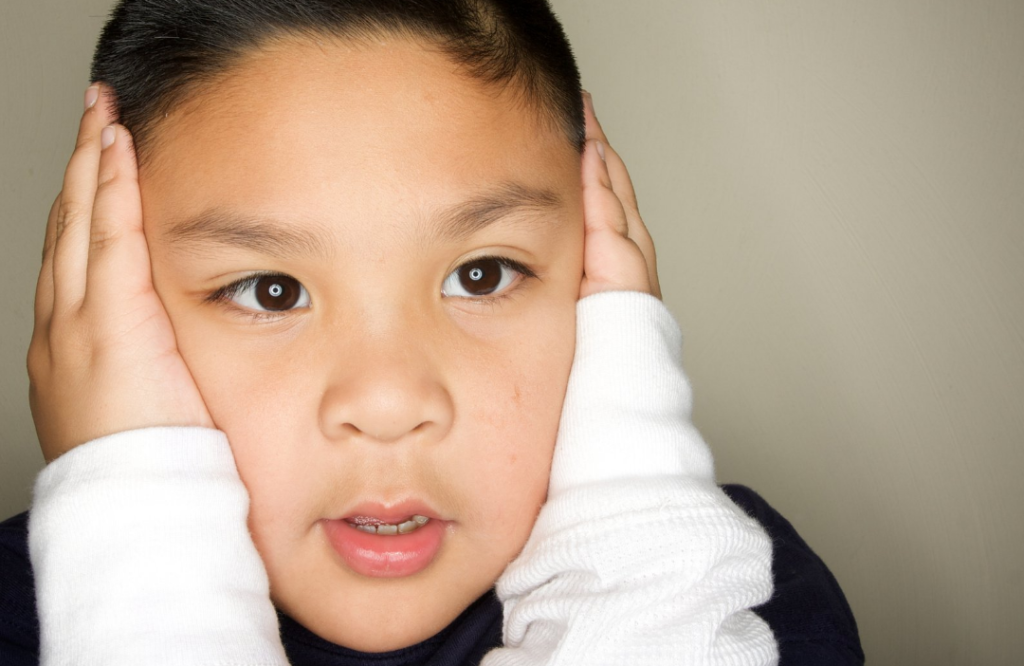
EnJOY the Holidays While Considering Your Child’s Sensory and Social Needs

‘Tis the season for family gatherings, seeing relatives that we haven’t seen for a while, wearing special occasion clothes we may or may not like the texture of, & noticing increased sights and sounds everywhere we go, in addition to regulating ourselves with the excitement and nervousness with our changing routines and activities. Here are […]

EnJOY the Holidays While Considering Your Child’s Sensory and Social Needs Read More »
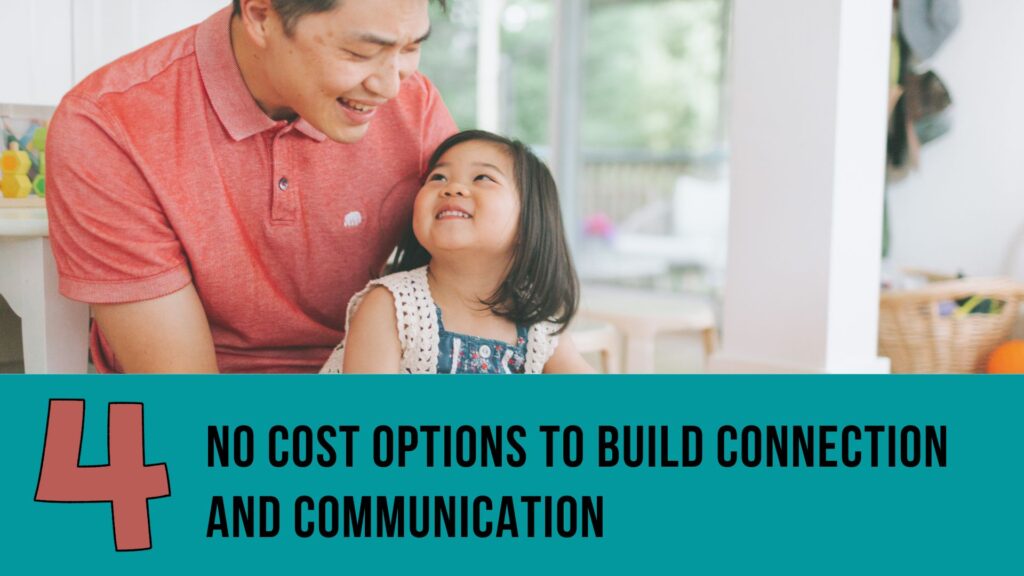
4 Easy No Cost Options to Teach Communication and Connection From The Comfort of Your Living Room

You want your child to build a larger vocabulary.  You notice your child has difficulty following directions.  You watch your child with friends and want him to get better at conversations with peers and social skills.  You hope to build your child’s confidence and advocacy to express themselves for needs and wants.  What can you

4 Easy No Cost Options to Teach Communication and Connection From The Comfort of Your Living Room Read More »

Support Spring Routine Changes: End of School Year Survival Guide

It’s the end of the school year!  Is your calendar filling up with fieldtrips, recitals, celebrations?  Amongst the activity, are you and your child also feeling chaos, decisions, and multi emotions?  It’s a bittersweet time.  We honor and celebrate accomplishments that have been the year in the making, appreciate those that helped us to get

Support Spring Routine Changes: End of School Year Survival Guide Read More »

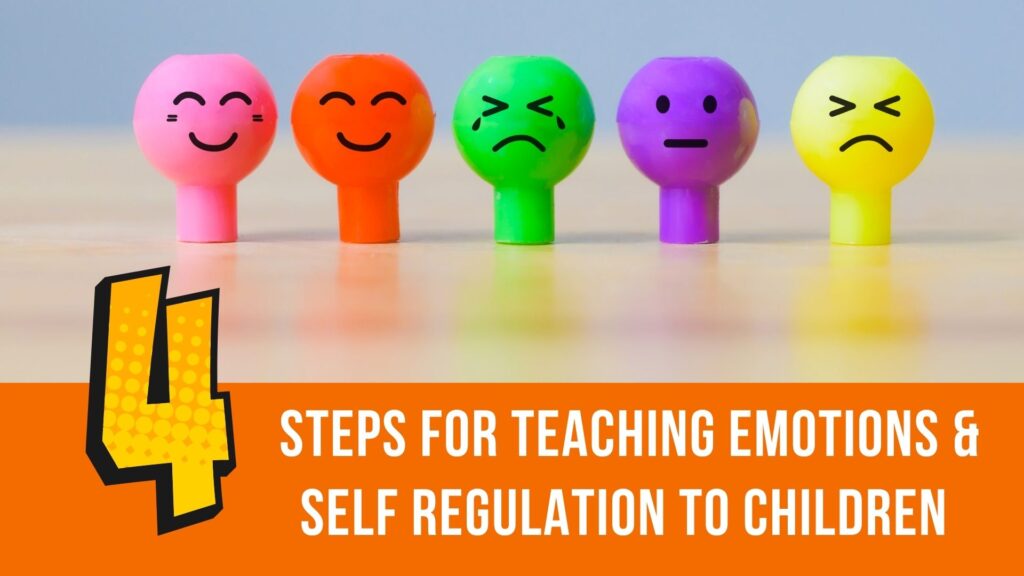
Teaching Emotions & Self Regulation To Children: 4 Steps For Parents and Teachers

Teaching Children Emotions & Self-Regulation: 4 Steps for Parents and Educators As children navigate through their world, they often encounter emotions they’ve never felt before. These emotions can be exciting, confusing, or overwhelming. Helping them understand these feelings and learn how to manage them is crucial for their emotional development. So, how can we, as

Teaching Emotions & Self Regulation To Children: 4 Steps For Parents and Teachers Read More »

4 Ways to Teach Students Who Take Instructions Literally

Supporting Neurodivergent Learners with Clear and Visual Communication By Stacy Triplat, CCC-SLP If you’re working with neurodiverse students—especially those on the autism spectrum—one of the most important things to remember is this: they often interpret language literally. This means that common classroom directions, phrases, or figures of speech can easily be misunderstood if not delivered

4 Ways to Teach Students Who Take Instructions Literally Read More »

Transform Your Child’s Routine with Visual Schedules: A Simple Solution for Calm Mornings and Confident Kids

Make Mornings Easier with Visual Schedules “Are you dressed?”“Where’s your backpack?”“Did you brush your teeth?”“Your breakfast is getting cold — get down here!” Sound familiar? If your mornings feel chaotic and you find yourself repeating the same questions every day, you’re not alone. Many parents wish their child could manage daily routines more independently. The

Transform Your Child’s Routine with Visual Schedules: A Simple Solution for Calm Mornings and Confident Kids Read More »

two children looking at each other-Autism and Maintaining Friendships

3 Tips for Children with Autism – Autism and Maintaining Friendships

Creating and maintaining friendships are important social skills for our children to develop.  With autism, maintaining friendships can be difficult due to misreading emotions and social situations.  Perhaps your child desperately wants to have friends, but jeopardizes the relationship before it can even begin due to misreading emotions.  Does your child approach another child with

3 Tips for Children with Autism – Autism and Maintaining Friendships Read More »

Girl holding her hands over her face-Calm a panicked child

How to Calm A Panicked Child: 3 Things To Remember

Fear and panic are real, and may feel more intense to our sensitive children.  Learn how to calm a panicked child to help decrease discomfort.  Many of our children rely on predictability, structure, and routine.  When those change, feelings of panic may arise.  Children may want to, but don’t know details of new surroundings, experience

How to Calm A Panicked Child: 3 Things To Remember Read More »

Understand Big Behaviors at Home and What’s Causing Them

Want to understand big behaviors at home?  Do you know what’s causing them? Just as each child is individual and unique, there are many reasons your child may be having big reactions at home.  For neurodiverse children such as those with autism, ADHD, Fetal Alcohol Syndrome, behaviors communicate how a child’s body and mind are

Understand Big Behaviors at Home and What’s Causing Them Read More »